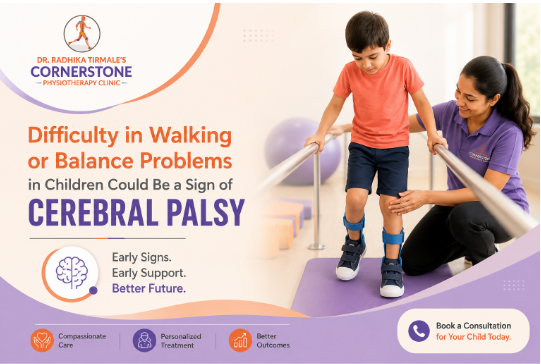
As a parent, watching your child take their first steps is one of the most joyful milestones. But what happens when those steps seem unsteady, delayed, or unusually difficult? Persistent difficulty in walking or maintaining balance could be an early warning sign of cerebral palsy. If you are based in Navi Mumbai, seeking Cerebral Palsy Treatment in Seawoods at the right time can make a life-changing difference for your child’s development.
What Is Cerebral Palsy? Understanding the Condition and Its Early Impact
Cerebral palsy (CP) is a group of permanent movement disorders that appear in early childhood. It is caused by abnormal development of, or damage to, the parts of the brain that control movement, balance, and posture.
CP affects approximately 1 in 500 children worldwide, making it one of the most common childhood motor disabilities.
The condition can impact movement, posture, balance, coordination, and even communication skills in some children. It is non-progressive, meaning the brain injury does not worsen over time, but its effects on the body can evolve as the child grows.
Difficulty in Walking and Poor Balance in Children: Could It Be Cerebral Palsy?
One of the most noticeable early indicators of cerebral palsy is difficulty with movement and balance. Parents and caregivers should watch for:
- Abnormal Gait Patterns — Walking on toes, dragging one foot, or a scissor-like walking style
- Delayed Motor Milestones — Not sitting by 9 months, not standing by 12 months, or not walking by 18 months
- Muscle Tone Issues — Overly stiff muscles (spasticity) or unusually floppy muscles (hypotonia)
- Frequent Falls — Falling far more often than peers, especially on uneven surfaces or stairs
- Asymmetrical Movement — Consistently favoring one side of the body during movement
- Poor Coordination — Trouble with jumping, running, or climbing that is unusual for their age
If you notice any combination of these signs, a professional evaluation should be sought without delay.
Why Early Diagnosis of Cerebral Palsy Is Important for Better Recovery
Early diagnosis opens the door to early intervention, and research consistently shows that the earlier therapy begins, the better the outcomes. The developing brain has a remarkable capacity for neuroplasticity. It can form new pathways and adapt when given the right therapeutic support during the early years.
Delaying treatment can allow complications such as muscle contractures, joint deformities, and postural problems to develop. An early diagnosis also helps families plan appropriate support and access specialized pediatric neurophysiotherapy without unnecessary delays.
How Physiotherapy Helps Improve Movement and Balance in Cerebral Palsy
Physiotherapy is one of the most effective interventions for children with cerebral palsy. A skilled pediatric physiotherapist works to improve strength, flexibility, balance, coordination, and overall functional mobility.
Physiotherapy for Cerebral Palsy in Seawoods at Cornerstone Physiotherapy Clinic is tailored to each child’s unique needs and includes the following:
- Stretching and strengthening exercises to manage spasticity
- Gait training for safer and more efficient walking
- Balance and coordination therapy using evidence-based techniques
- Neurodevelopmental treatment (NDT) to improve natural movement patterns
- Postural management to prevent deformities over time
With consistent CP rehabilitation therapy, many children achieve greater mobility and participate more actively in everyday life.
Comprehensive Cerebral Palsy Care at Cornerstone Physiotherapy Clinic
At Cornerstone Physiotherapy Clinic, families across Navi Mumbai trust the team for compassionate, evidence-based pediatric care. The clinic offers specialized Pediatric Cerebral Palsy Treatment in Navi Mumbai, focused on the whole child not just the condition.
Experienced physiotherapists conduct thorough assessments to understand each child’s motor challenges and developmental goals. Treatment plans are created collaboratively with parents, ensuring progress continues at home as well. The clinic follows a family-centred approach, recognising that parents are essential partners in the rehabilitation process. Every child is treated in a warm, supportive environment with patience, skill, and genuine dedication.
When Should You Consult a Physiotherapist for Cerebral Palsy Symptoms?
Consult a physiotherapist immediately if your child:
- Is missing key motor milestones for their age
- Walks on toes or shows an unusual walking pattern
- Falls frequently or struggles to maintain balance
- Shows weakness or poor coordination on one side of the body
- Has noticeably stiff or floppy muscles
Frequently Asked Questions
1. Can cerebral palsy affect walking ability in children?
Yes, cerebral palsy commonly affects muscle coordination, balance, and posture, which can make walking difficult, delayed, or unsteady.
2. At what age are cerebral palsy symptoms usually noticed?
Symptoms may appear within the first year of life, particularly through delayed motor milestones, abnormal muscle tone, or difficulties with movement and balance.
3. Can physiotherapy help children with cerebral palsy walk better?
Yes, regular Physiotherapy for Cerebral Palsy in Seawoods can improve strength, balance, coordination, posture, and walking patterns, helping children become more independent.
Final Thoughts
If your child is showing signs of delayed walking, poor balance, or unusual movement patterns, early intervention can make a significant difference. Consult the specialists at Cornerstone Physiotherapy Clinic for expert evaluation and personalized Pediatric Cerebral Palsy Treatment in Seawoods that gives your child the best possible start.

Leave a Reply