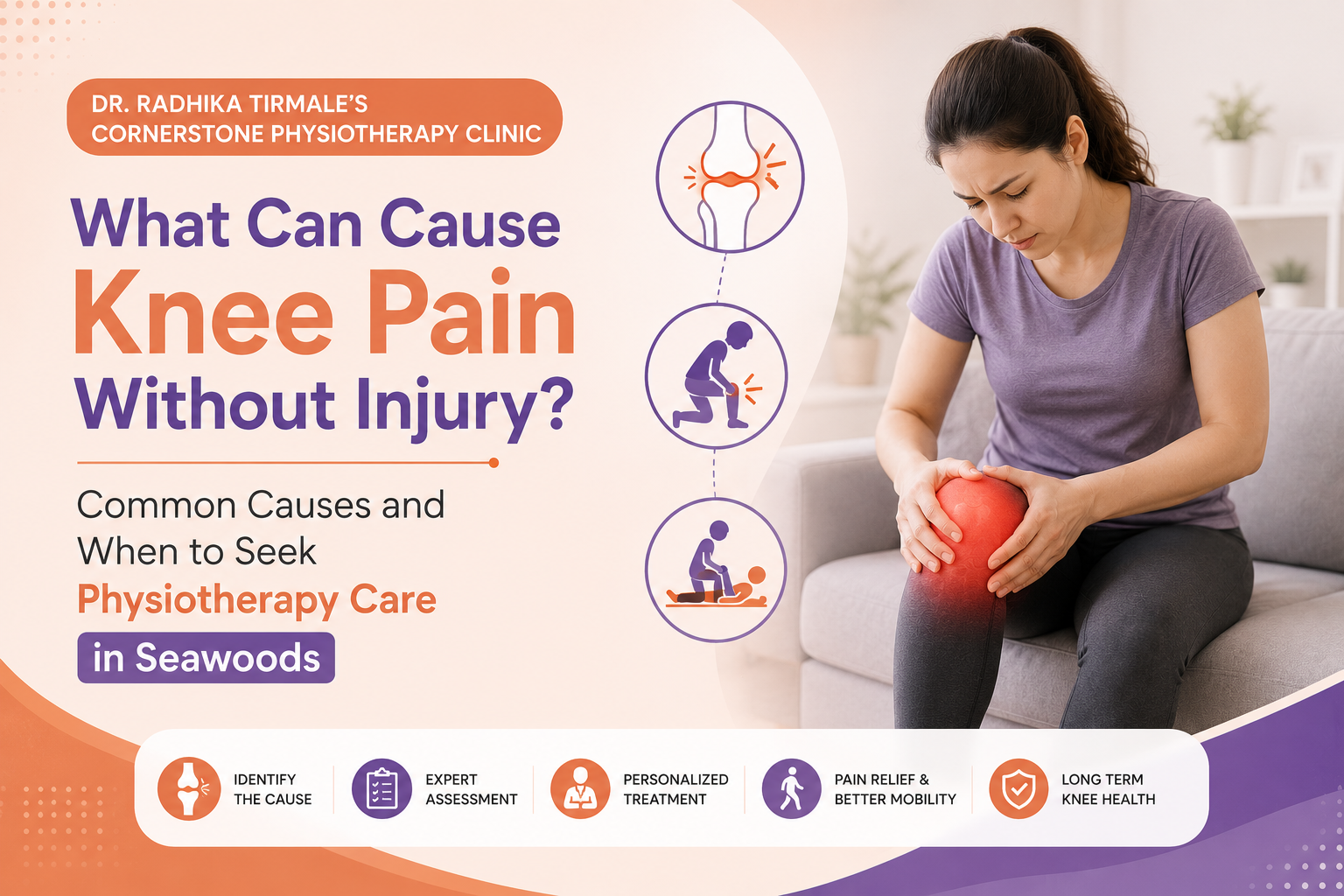
Knee pain is often associated with falls, sports injuries, or accidents, but discomfort can also develop without any obvious injury. You may notice pain while walking, climbing stairs, standing for long periods, or even sitting for too long. Understanding the possible reason behind the pain can help you take the right steps toward better knee health.
If your knee pain continues or starts affecting your daily routine, consulting a knee specialist in Navi Mumbai can help identify the underlying cause and guide you toward suitable care.
Why Can Your Knee Hurt Without an Injury?
Knee pain without a specific injury can have several causes. Sometimes, the discomfort develops gradually due to changes in the joints, muscles, or surrounding tissues.
Common reasons may include:
- Osteoarthritis: Wear and tear of the knee joint can lead to pain, stiffness, and difficulty with movement, particularly with increasing age.
- Muscle weakness: Weak thigh or hip muscles may place additional stress on the knee during everyday activities.
- Overuse: Repeated walking, running, squatting, or climbing stairs can put extra strain on the knee.
- Poor posture or movement patterns: The way you walk, stand, or perform daily activities may affect how pressure is distributed across the knee.
- Inflammation: Conditions affecting the joints or surrounding tissues may cause swelling, stiffness, and discomfort.
- Weight-related stress: Extra body weight can increase the load placed on the knees during movement.
- Tendon or soft-tissue problems: Irritation in the tissues around the knee can cause pain even when there has been no sudden injury.
Identifying the actual cause is important because the right treatment depends on what is contributing to the pain.
What Does Knee Pain Feel Like?
Knee pain can appear differently from person to person. Some people experience a dull, persistent ache, while others may notice discomfort during specific movements.
You may experience:
- Pain while walking or climbing stairs
- Stiffness after sitting for a long time
- Discomfort while standing up from a chair
- Swelling around the knee
- Reduced range of motion
- Pain after prolonged physical activity
- Difficulty performing everyday movements
Keeping track of when your pain occurs and which activities make it worse can provide useful information during a professional assessment.
When Should You See a Physiotherapist?
Mild knee discomfort may sometimes improve with rest and simple lifestyle changes. However, pain that continues for several days or weeks, keeps returning, or interferes with daily activities should not be ignored.
You may consider professional evaluation if:
- Knee pain is persistent or worsening
- You have difficulty walking normally
- Pain affects your sleep or everyday routine
- You experience repeated swelling or stiffness
- Your knee movement has become restricted
- You are avoiding activities because of discomfort
A knee specialist Navi Mumbai can assess your symptoms and help determine whether the pain may be related to joint problems, muscle weakness, movement patterns, or another underlying issue.
How Can Physiotherapy Help With Knee Pain?
Physiotherapy focuses on improving movement, strength, flexibility, and overall function. The treatment plan is generally based on the individual’s symptoms, physical condition, and underlying cause of knee pain.
Depending on your needs, physiotherapy may include:
- Strengthening exercises for the knee and supporting muscles
- Flexibility and mobility exercises
- Movement and posture correction
- Manual therapy when appropriate
- Balance and coordination training
- Guidance on safe activity levels
- Home exercises to support recovery
For individuals looking for best knee physiotherapy in Seawoods, a personalised assessment can help determine which exercises and techniques may be suitable.
Can Weak Muscles Cause Knee Pain?
Yes, muscle weakness can contribute to knee discomfort. The muscles around the hips and thighs help support the knee and control movement. When these muscles are not strong enough, the knee may experience additional stress during activities such as walking, climbing stairs, or squatting.
A physiotherapist can assess muscle strength and movement patterns and recommend exercises designed to improve support around the knee.
How Can You Reduce the Risk of Knee Pain?
While not every cause of knee pain can be prevented, certain habits may help support healthy joints and reduce unnecessary strain.
Consider:
- Maintaining a healthy body weight
- Staying physically active within your abilities
- Strengthening the muscles around the hips and legs
- Warming up before exercise
- Avoiding sudden increases in physical activity
- Taking breaks from prolonged sitting
- Paying attention to posture and movement techniques
If you already have knee pain, avoid starting intense exercises without understanding the cause of your symptoms.
What to Expect From Knee Physiotherapy?
A physiotherapist will review your symptoms and medical history before assessing your knee movement, flexibility, strength, and walking pattern. This helps identify possible causes and create a suitable treatment plan.
If you are looking for physiotherapy for Knee Pain in Navi Mumbai, an individual assessment can be a helpful first step toward improving mobility and reducing discomfort.
Frequently Asked Questions
1. Can knee pain occur without an injury?
Yes. Knee pain can develop because of osteoarthritis, overuse, muscle weakness, inflammation, or problems affecting the surrounding tissues.
2. Why does my knee hurt when I climb stairs?
Pain while climbing stairs may be associated with muscle weakness, joint changes, or problems involving the structures around the knee. A professional assessment can help identify the cause.
3. Can physiotherapy help knee pain without surgery?
Physiotherapy may help many people improve strength, mobility, and function. The appropriate approach depends on the underlying cause and individual condition.
4. How long does knee physiotherapy take?
The duration varies depending on the cause and severity of the problem. Some people may improve in a few sessions, while others may require a longer rehabilitation plan.
5. Should I ignore mild knee pain?
It is better to pay attention to recurring or persistent discomfort. Early assessment may help identify contributing factors before the problem begins affecting everyday activities.
Final Thoughts
Knee pain does not always come from a fall or sudden injury. It can develop gradually due to joint changes, muscle weakness, overuse, inflammation, or movement-related factors. Understanding the cause is an important part of choosing the right approach to care.
If knee pain is affecting your mobility or daily life, seeking professional guidance can help you understand your symptoms and explore suitable treatment options. At Cornerstone Physiotherapy Clinic, an individual assessment can help create a care plan focused on improving movement, strength, and everyday function.
For those considering best knee physiotherapy in Seawoods, timely professional care may help address the underlying factors contributing to knee discomfort and support a gradual return to comfortable movement.

Leave a Reply